




If you have reactive skin, you know that the wrong beauty tools can feel like sandpaper. Applying foundation shouldn't lead to a breakout or a face full of red patches. Choosing the best makeup brushes for sensitive skin is just as vital as picking the right hypoallergenic moisturizer.
In this guide, we will look at why bristle material matters, which shapes work best for delicate areas, and how to maintain your tools to keep your complexion clear. Whether you are a beginner or a pro, these tips will help you apply your favorite products without discomfort.
Why Your Skin Reacts to Certain Brushes
Reactive skin often has a compromised barrier. When you use low-quality tools, the friction can cause micro-tears or trigger contact dermatitis. Natural animal hair often has tiny scales that trap bacteria and old product, which can clog pores.
Additionally, some people have specific allergies to animal dander found in goat or pony hair brushes. Moving toward soft synthetic makeup brush standards in 2026 ensures you use smooth, non-porous filaments that glide over the skin.

Synthetic vs Natural Bristles for Reactive Skin
The debate between synthetic and natural bristles is over when it comes to sensitivity. Synthetic fibers, usually made from high-grade taklon or nylon, are the superior choice.
- Non-Porous Surface: They don't soak up oils or bacteria like natural hair.
- Uniform Texture: The fibers are engineered to be perfectly smooth.
- Cruelty-Free: Most options are part of a vegan makeup brush set for sensitive skin.
- Durability: They hold their shape after many washes.
Using a large powder brush made of high-quality synthetic fibers allows you to dust on setting powder without the "prickly" sensation often felt with cheaper natural-hair alternatives.
Essential Features of Brushes for Sensitive Skin
When shopping for makeup brushes for reactive skin, look for these key characteristics to keep your skin calm.
1. High Bristle Density
A dense brush requires less pressure to move product. If a brush is too flimsy, you might find yourself rubbing harder against your skin to get coverage. A dense Stippling Brush lets you tap product onto your cheeks rather than drag it across your cheeks.
2. Secure Ferrules
The ferrule is the metal part that connects the handle to the bristles. If this is loose, bristles can shed and get stuck in your makeup, causing further itching and irritation.
3. Softness to the Touch
Always test the brush on the inside of your wrist or your neck. If it feels even slightly scratchy there, it will be much worse on your face.
Top Picks for Your Daily Routine
To get the best results, you need specific tools for different parts of your face. Using the same brush for everything can spread bacteria and cause cross-contamination.
- For Foundation: Use a flat-top kabuki or a soft buffing tool. This minimizes the "pulling" of the skin.
- For Concealer: A small, fluffy Blending Brush helps hide redness around the nose without irritating the thin skin under the eyes.
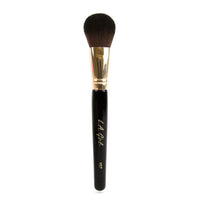
- For Cheeks: The LA Girl Pro Blush Brush provides a soft application that won't disturb your base makeup or irritate your cheekbones.
Avoid These Common Makeup Brush Mistakes
Even with the best tools, how you use them matters. One of the biggest makeup brush mistakes is applying too much pressure. Always use a light hand. Let the tips of the bristles do the work rather than mashing the brush into your pores.
Another error is using dirty tools. If you don't clean makeup brushes at least once a week, you are applying a layer of old oils and skin cells back onto your face. This is a primary cause of "unexpected" sensitivity.
How to Clean Brushes Without Irritating Your Skin
Maintenance is a huge part of skin health. However, the soap you use to clean your tools can also be a trigger.
- Use Fragrance-Free Soap: Look for baby shampoos or specific brush cleansers that are free of harsh dyes.
- Rinse Thoroughly: Leftover soap residue in the bristles can cause a reaction when you apply makeup next time.
- Dry Flat: Never dry your brushes upright, as water can seep into the glue, causing shedding.
Having a few essential makeup brushes in rotation keeps a clean set ready while others are drying.
Comparing Brush Shapes for Delicate Skin
Different techniques require different shapes. If you have acne-prone or highly reactive skin, "stippling" is often better than "buffing."
- Stippling: This involves a vertical tapping motion. It places the product on top of the skin.
- Buffing: This involves circular motions. While it gives a seamless finish, the constant rubbing can be too much for some skin types.
If you struggle with redness, a Stippler Brush is your best friend. It allows you to build coverage over red spots without "lifting" the skin or causing more inflammation.
Recommended Products for Your Kit
Investing in quality tools saves you money and skin irritation in the long run. Here are the specific items to look for:
- LA Girl Pro Blush Brush: Ideal for a soft wash of color.
- Blending Brush: Perfect for seamless eye looks and concealer.
- Large Powder Brush: Best for a light, airy finish with setting powders.
Frequently Asked Questions
Can natural hair brushes cause skin rashes?
Yes. Natural hair has a rougher texture and can harbor allergens such as dander and pollen. Many people with sensitive skin find that switching to synthetic fibers clears up their irritation immediately.
How often should I replace my makeup brushes?
With proper care, a high-quality synthetic set can last several years. However, if you notice the bristles becoming stiff, the ferrule wobbling, or the ends feeling scratchy, it is time to replace them.
Is a beauty sponge better than a brush for sensitive skin?
Sponges are very soft, but they must be replaced every 1-3 months and washed after every single use. If you aren't diligent about cleaning, a synthetic brush is often a more hygienic and cost-effective choice.
What is the softest bristle material?
Taklon is widely considered one of the softest and most skin-friendly materials available in 2026. It mimics the feel of natural hair without the jagged edges.
Closing Thoughts
Finding the best makeup brushes for sensitive skin doesn't have to be a trial-and-error process. By focusing on soft synthetic fibers, maintaining a strict cleaning schedule, and using the right shapes for your face, you can achieve a flawless look without the flare-ups.
Start by swapping out your old, scratchy tools for a vegan makeup brush set for sensitive skin, and pay attention to how your skin feels at the end of the day. Your complexion will thank you for the extra care.