





A flawless makeup look starts with a well-applied base. While eye makeup and lipstick often get the most attention, your base makeup creates the foundation for everything else. When applied correctly, it helps your makeup look smoother, last longer, and appear more natural.
For beginners, building a base makeup routine can feel overwhelming. With products like primer, foundation, concealer, powder, blush, and setting spray, it's easy to wonder where to start.
This step-by-step guide will walk you through the complete base makeup routine, helping you achieve a polished look with confidence.
Step 1: Start With Clean and Moisturized Skin
Before applying any makeup, it's important to prepare your skin properly.
A clean face removes excess oil, dirt, and impurities that can affect how makeup sits on the skin. Following up with a lightweight moisturizer helps create a smooth surface and prevents makeup from looking patchy.
Even the best makeup products perform better when applied to healthy, hydrated skin.
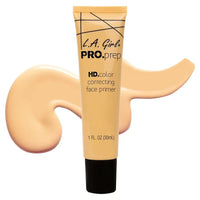
Step 2: Apply Primer for a Smooth Base
Primer is often overlooked by beginners, but it can make a significant difference in how your makeup wears throughout the day.
A good primer helps:
- Smooth uneven texture
- Minimize the appearance of pores
- Improve makeup longevity
- Control excess oil
Choosing the right face primer for your skin type can help create a more even canvas before applying foundation.
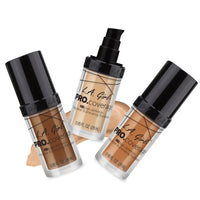
Step 3: Even Out Your Skin Tone With Foundation
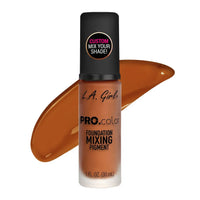
Foundation is the product that creates a uniform complexion and helps reduce the appearance of redness, discoloration, and uneven skin tone.
When selecting a foundation, consider:
- Your skin type
- Desired coverage level
- Undertone
- Finish preference
Finding the right foundation shade for your skin tone is one of the most important steps in achieving a natural-looking base. If you're unsure how to apply foundation properly, our guide on How to Apply Face Foundation: A Beginner's Guide can help you avoid common mistakes and improve your technique.
Step 4: Use Concealer Where You Need Extra Coverage
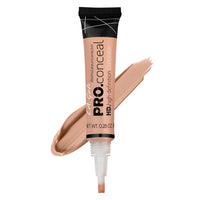
Foundation creates overall coverage, while concealer targets specific concerns.
Concealer can be used to:
- Brighten under-eye areas
- Cover blemishes
- Reduce the appearance of dark spots
- Highlight certain facial features
Many beginners apply too much product, which often leads to creasing and a heavy appearance. Learning the right placement and blending technique makes a noticeable difference. For additional tips, check out Concealer Techniques & Where You're Going Wrong to understand common application mistakes and how to avoid them.
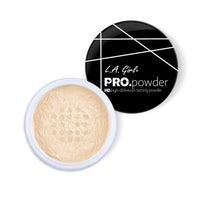
Step 5: Set Your Base With Powder
After foundation and concealer, powder helps lock everything into place.
Setting powder can:
- Reduce shine
- Prevent creasing
- Improve makeup longevity
- Create a smoother finish
Using a lightweight setting powder for long-lasting makeup can help maintain a fresh appearance throughout the day without making the skin look cakey.
You may also find useful tips in How To Use Setting Powder to Airbrush Your Makeup! if you're looking for a more polished finish.

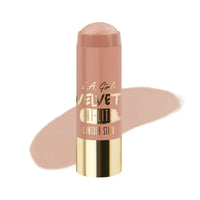
Step 6: Add Dimension With Contour and Highlight
Once the base is even, contour and highlight help bring definition back to the face.
Contour creates subtle shadows that enhance facial structure, while highlight draws attention to high points such as:
- Cheekbones
- Brow bones
- Bridge of the nose
- Cupid's bow
Using the right contour and highlight products can create a balanced, natural-looking effect without appearing overly dramatic.
Step 7: Bring Life Back to the Face With Blush
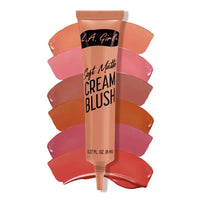
Foundation and powder can sometimes make the complexion look flat. Blush helps restore warmth and freshness to the skin.
The placement of blush can influence the overall shape of the face and contribute to a youthful appearance.
Choosing the right blush for your skin type is important for achieving a natural flush that complements your makeup.
For more detailed guidance, read How to Apply Blush for Your Face Shape to learn which placement techniques work best for different face shapes.
Step 8: Lock Everything In With Setting Products
The final step in any base makeup routine is setting your makeup.
This helps:
- Extend wear time
- Reduce transfer
- Maintain a fresh appearance
- Protect makeup from humidity and daily activities
Using the right setting spray and finishing products can help keep your makeup looking flawless from morning to night.
You can also learn more from How to Set Spray: The Key to Perfect Makeup All Day.
Common Beginner Base Makeup Mistakes
Many beginners struggle with base makeup because of a few avoidable mistakes.
These include:
- Choosing the wrong foundation shade
- Applying too much product
- Skipping primer
- Using excessive powder
- Not blending properly
- Ignoring skin preparation
Focusing on proper technique often delivers better results than simply adding more products.
Building Your Beginner Makeup Kit
If you're just starting out, you don't need dozens of products.
A simple kit should include:
- Primer
- Foundation
- Concealer
- Powder
- Blush
- Contour or bronzer
- Setting spray
Once you become comfortable with the basics, you can gradually expand your collection and experiment with different finishes and techniques.
Why Product Quality Matters
No matter how good your technique is, product quality plays an important role in the final result.
Using reliable makeup products helps improve blendability, wear time, and overall finish. This is why many beginners and professionals alike choose trusted brands like LA Girl Pakistan when building their makeup routine.
Conclusion
Creating a flawless base doesn't have to be complicated. By following the right order and using products that suit your skin type, you can achieve a smooth, natural-looking finish with ease. As you gain more experience, you'll discover which techniques and products work best for your skin. Until then, mastering these basic steps will give you a strong foundation for every makeup look you create.
Frequently Asked Questions
What is the correct order for applying base makeup?
The typical order is moisturizer, primer, foundation, concealer, powder, blush, contour, highlight, and setting spray.
Do beginners need a primer?
While not mandatory, primer helps makeup apply more smoothly and last longer throughout the day.
Should concealer be applied before or after foundation?
Most makeup artists recommend applying concealer after foundation to avoid using more product than necessary.
How do I choose the right foundation shade?
Match the foundation to your neck and jawline while considering your skin's undertone for the most natural result.
Is setting powder necessary?
Setting powder helps reduce shine, prevent creasing, and improve makeup longevity, especially for oily skin types.
Where can beginners find quality makeup products?
LA Girl Pakistan offers a wide range of makeup essentials suitable for beginners and experienced makeup users alike.