




Choosing between makeup brushes vs sponges is one of the most common questions in everyday beauty routines. Both tools can create beautiful results, but they work differently on the skin.
If you've ever wondered which is better brush or a sponge, for makeup, the answer depends on the finish you want, your skin type, and how you apply your products. This guide breaks down when to use each tool, how to care for them properly, and how smart storage habits protect both your skin and your investment.
Understanding the Core Difference
At a basic level, brushes glide and spread product across the skin, while sponges press and blend product into it.
-
Makeup brushes glide and buff product across the skin.
- Makeup sponges press and bounce product into the skin.
Neither is universally better. The goal is to match the tool to the product and desired outcome.
Foundation Brush vs Sponge: What Finish Do You Want?
When to Use a Brush
A foundation brush works best when you want:
-
Medium to full coverage
-
Faster application
-
Precision around the nose and eyes
- A polished, sculpted finish

A Flat Foundation Brush spreads liquid foundation evenly and builds coverage quickly. It’s ideal for full glam or long-wear looks where structure matters.
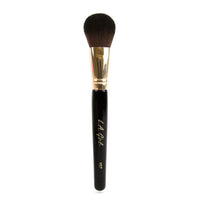
For a more seamless finish, a denser brush like an Angled Buffer Brush helps buff product into the skin. Buffing reduces streaks and creates a smooth, airbrushed effect without absorbing excess product.
Brushes also waste less foundation compared to sponges because they don’t absorb liquid into their core.
When to Use a Sponge
Sponges are best when you want:
-
Light to medium coverage
-
A natural, skin-like finish
-
Sheer blending over textured areas
-
Quick softening of harsh edges
If you’re wondering how to apply foundation with a sponge, the key is to dampen it first. A damp sponge prevents over-absorption and helps distribute product evenly.
Use a bouncing or stippling motion rather than dragging. Pressing foundation into the skin creates a diffused, radiant look that works well for everyday wear.
Brush or Sponge for Foundation: Skin Type Considerations
Your skin type also influences which tool performs better.
Dry Skin
Sponges tend to be more forgiving. The pressing motion helps prevent flaky patches from becoming emphasized.
Oily Skin
Brushes offer better control and fuller coverage. They layer the product effectively without diluting it.
Textured or Acne-Prone Skin
A sponge can soften the appearance of texture, but it must be cleaned thoroughly after each use to prevent bacterial buildup.
Mature Skin
Light buffing with a soft brush works well. Over-bouncing with a sponge may move product into fine lines if too much pressure is used.
Coverage Control: Build vs Diffuse
One of the biggest differences in the makeup brushes vs sponges debate is coverage control.
Brushes:
-
Build coverage quickly
-
Layer product evenly
-
Maintain pigment intensity
Sponges:
-
Sheer out heavy formulas
-
Blend edges seamlessly
-
Soften over-applied areas
Many professionals use both. A brush for initial application, then a sponge to press and perfect the finish.
Hygiene Matters More Than You Think
Regardless of which tool you prefer, hygiene directly affects skin health and tool lifespan.
Sponges stay damp longer, making them more prone to bacterial growth. Brushes, if dried correctly, tend to last longer and are easier to maintain.
Proper cleaning is not optional, it protects your skin and your investment.
If you need a detailed breakdown, refer to our guide on How to Store and Maintain Your Makeup Brushes for best practices on drying, storing, and extending brush life.
How Often Should You Clean Each Tool?
Brushes
-
Foundation brushes: once per week (minimum)
-
Powder brushes: every 1–2 weeks
- Spot clean between uses if switching shades
Sponges
-
Rinse after every use
-
Deep clean every 2–3 uses
-
Replace every 1–3 months, depending on condition
Sponges deteriorate faster than brushes. Small tears create breeding grounds for bacteria.
Cleaning Process: Step-by-Step
For Makeup Brushes
-
Rinse bristles with lukewarm water (avoid soaking the handle)
-
Use a gentle brush cleanser
-
Swirl and rinse until the water runs clear
-
Gently squeeze excess water
-
Lay flat to dry with bristles angled downward
For Sponges
-
Fully saturate with warm water
-
Apply cleanser directly to the sponge
-
Squeeze repeatedly until the product releases
-
Rinse thoroughly
-
Air dry in a ventilated area
Never store tools in closed containers while damp.
Storage Methods That Protect Your Tools
Proper storage extends tool lifespan and maintains shape.
Recommended Storage Options
-
Upright holders for daily use
-
Breathable brush rolls for travel
-
Drawer dividers for organized flat storage
-
Mesh pouches for sponges (once fully dry)
Avoid storing brushes bristle-down in cups long-term. This bends fibers and weakens glue at the base.
For a full breakdown of protective storage solutions, explore our Makeup Brushes collection.
Common Mistakes to Avoid
-
Using a sponge dry
-
Letting brushes dry upright while wet
-
Storing damp tools in drawers
-
Skipping weekly cleaning
-
Pressing too hard during application
-
Using the same sponge for multiple complexion products without washing
Small mistakes reduce performance and shorten lifespan significantly.
Brush Lifespan vs Sponge Lifespan
High-quality brushes can last 3–5 years or longer with proper care. Synthetic fibers maintain their structure when cleaned and dried correctly.
Sponges are designed for shorter-term use. Their porous material breaks down faster and absorbs product over time.
If long-term durability matters, investing in well-crafted brushes is more cost-effective.
Travel Considerations
When traveling:
- Carry brushes in a protective case to maintain shape.
- Ensure tools are completely dry before packing.
- Avoid sealing damp sponges in plastic bags.
- Pack a small brush and cleanser for extended trips.
Maintaining hygiene while traveling helps prevent breakouts and extend tool life.
So, Which Is Better: a brush or a Sponge for Makeup?
There is no single correct answer. Use a brush when you want structure, coverage, and longevity. Use a sponge when you want softness, diffusion, and a natural finish.
Many professionals combine both for optimal results. Understanding when to use each tool gives you control over your makeup outcome rather than relying on trends.
FAQs
How often should you wash makeup brushes?
Foundation brushes should be washed weekly, while powder brushes can be cleaned every one to two weeks. Regular washing prevents buildup, protects bristle structure, and supports skin health.
Can I store makeup brushes in a drawer?
Yes, as long as they are fully dry and separated to prevent bending. Use dividers or flat trays to maintain brush shape and avoid dust accumulation.
What happens if brushes are not dried properly?
Moisture can loosen the adhesive that holds bristles in place. It also increases the risk of bacterial growth, which may lead to skin irritation or breakouts.
How long do makeup brushes last?
With consistent cleaning and proper storage, quality brushes can last several years. Damaged bristles, shedding, or misshaping are signs it’s time to replace them.
Is a sponge more hygienic than a brush?
Not necessarily. Sponges require more frequent cleaning because they retain moisture. Brushes tend to dry faster and are easier to sanitize when maintained correctly.
Closing Thoughts
The discussion around makeup brushes vs sponges isn’t about choosing sides. It’s about using the right tool intentionally.
Proper application technique improves your finish. Proper cleaning and storage protect your skin. And small maintenance habits significantly extend the life of your tools.
Whether you prefer a brush, a sponge, or a combination of both, consistent care makes the real difference. Explore our related beauty guides to refine not just your makeup routine — but how you protect the tools behind it.