


Makeup brushes are the backbone of every flawless makeup look. Whether you’re blending foundation, sculpting your cheekbones, or smoking out your eyeshadow, the right brush makes all the difference. But with so many types of makeup brushes, it’s tough to know what each one does, and which ones you actually need.
This complete guide breaks down makeup brush names and uses in a simple, beginner-friendly way, so you can shop confidently and apply makeup like a pro. Let’s dive into the brushes every beauty lover should know.
What Are the Main Types of Makeup Brushes?
Makeup brushes fall into four major categories:
-
Face brushes – for foundation, contour, powder, blush, and highlight.
-
Eye brushes – for eyeshadow, blending, and detail work.
-
Lip brushes – for lining and filling.
-
Specialty tools – like sponges, stipplers, and dual-fiber brushes.
If you’re just starting your collection, don't miss our guide: Top 10 Essential Makeup Brushes Every Girl Should Own.

Face Makeup Brushes
Face brushes help you create a smooth, even canvas. Here are the essentials and how to use them.
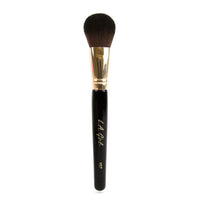
1. Large Powder Brush
A Large Powder Brush is a fluffy brush designed to dust loose or pressed powder across the face. The wide surface area ensures even coverage without looking cakey.
Best for:
-
Setting foundation
-
Softening harsh lines
-
Applying translucent powder
Pro Tip: Sweep powder lightly instead of pressing hard—this avoids patchiness.
2. Foundation Brushes
Foundation brushes come in several shapes, each giving a different finish.
-
Gives full, streak-free coverage
-
Ideal for liquid or cream foundation
-
Great for controlled application around the nose and eyes
Buffing Foundation Brush
Buffing brushes blend foundation into the skin for a natural, airbrushed look.
Use circular motions for a seamless finish. Pairing this brush with a 2 Pack Blending Sponge helps soften edges for a flawless base.
3. Stippling Brushes
A Stippling Brush is a dual-fiber brush that creates a soft, diffused complexion.
When to Use a Stippling Brush?
-
Applying cream blush
-
Lightweight foundation
-
Soft, natural finish
For cream bronzer or liquid blush, the Domed Stippling Brush offers even better control.
If you prefer sponges, the Angled Blending Sponge With Stand is a great addition for blending thicker formulas.
4. Contour & Bronzer Brushes
These brushes help sculpt your face shape.
Angled Contour Brush
Perfect for defining cheekbones.
Dome Bronzer Brush
Great for diffused, natural warmth.
5. Blush Brushes
A good blush brush makes all the difference.
Rounded Blush Brush
-
Softens blush for natural color payoff
Angled Blush Brush
-
Perfect for lifting the cheekbones
For flawless blushing techniques, explore: How to Apply Blush for Your Face Shape.
Eye Makeup Brushes
Eye brushes come in many shapes, each plays a specific role in creating depth, blending, and defining your eyes.
6. Blending Brush
The Blending Brush is the most essential eye brush in your kit. It softens edges and blends multiple colors.
Use when:
-
Blending transition shades
-
Softening the crease
-
Creating smoky eyes
Want to master blending? Check out our guide on Blending Eyeshadow for pro-level tips.
7. Tapered Blending Brush
A Tapered Blending Brush has a slightly pointed tip for applying shadow precisely in the crease.
Perfect for:
-
Adding depth
-
Controlling pigment placement
-
Blending darker colors
If you’re working with bold shades, always start with a little product and build gradually.
8. Domed Crease Brush
The Dome Crease Brush helps create defined crease lines and smoky looks.
Use when:
-
Deepening outer corners
-
Adding shadow to small areas
-
Layering darker shades
9. Flat Eyeshadow Brush
This brush packs color onto the lids with maximum pigmentation.
Best for:
-
Metallics
-
Shimmers
-
Cream shadows
10. Pencil Brush
Use it for detailing the lower lash line or highlighting the inner corners. This is a must-have if you love soft glam or full glam looks.
Lip Makeup Brushes
Lip brushes ensure precise application, especially with bold colors.
11. Lip Liner Brush
This tiny brush helps define your lip shape.
12. Lip Filler Brush
A slightly larger brush is used to fill in the color.
Blends matte and cream lipsticks beautifully.
Specialty Makeup Tools
Not every tool is a traditional brush; some tools help you get a smoother, more professional finish.
13. Makeup Sponges
A makeup sponge is essential for perfecting your base.
2 Pack Blending Sponge
Use it for:
-
Blending foundation
-
Softening concealer
-
Applying cream blush
Angled Blending Sponge With Stand
Perfect for:
-
Contouring
-
Reaching under the eyes
-
Cream products
14. Fan Brush
Used for soft highlighting or sweeping away fallout.
15. Brow Brushes
Brow brushes help shape, fill, and groom your brows.
Spoolie Brush
For blending brow pencil.
Angled Brow Brush
For precise brow definition.
Which Makeup Brushes Do Beginners Really Need?
If you’re overwhelmed, start with these 6 essentials:
- Large Powder Brush
-
Foundation Brush
- Stippling Brush
- Blending Brush
- Tapered Blending Brush
-
Flat Eyeshadow Brush
Check out our Collection of Makeup Brushes to build your beginner-friendly kit.
How to Choose the Right Makeup Brush?
Choosing the right brush isn’t complicated—just follow these factors:
-
Brush Density
- Dense brushes = full coverage
- Fluffy brushes = soft blending
-
Brush Shape
- Flat → application
- Rounded → blending
- Angled → precision
-
Brush Material
- Synthetic bristles: great for liquids
-
Natural bristles: best for powders
FAQs
1. What are the basic types of makeup brushes?
Face brushes, eye brushes, lip brushes, and specialty brushes like stipplers and sponges.
2. Which brushes should beginners buy first?
A foundation brush, Large Powder Brush, Blending Brush, Tapered Blending Brush, and Stippling Brush are great starter tools.
3. Are expensive brushes better?
Not always. Many affordable brushes perform just as well if they have soft bristles and good durability.
4. How often should I wash my makeup brushes?
Wash face brushes weekly and eye brushes every 3–4 days to avoid buildup.
5. What brush is best for contouring?
An angled brush or dense buffing brush works best for cream or powder contour.
Final Thoughts
Knowing the types of makeup brushes and understanding each brush’s purpose makes your makeup routine smoother, easier, and more enjoyable. Whether you’re a beginner or a seasoned artist, the right tools help you achieve flawless, professional results every time.
From blending your eyeshadow to sculpting your cheeks, each brush plays a role in elevating your artistry. Ready to upgrade your routine? Explore our Collection of Makeup Brushes and start building the perfect brush set for every look.